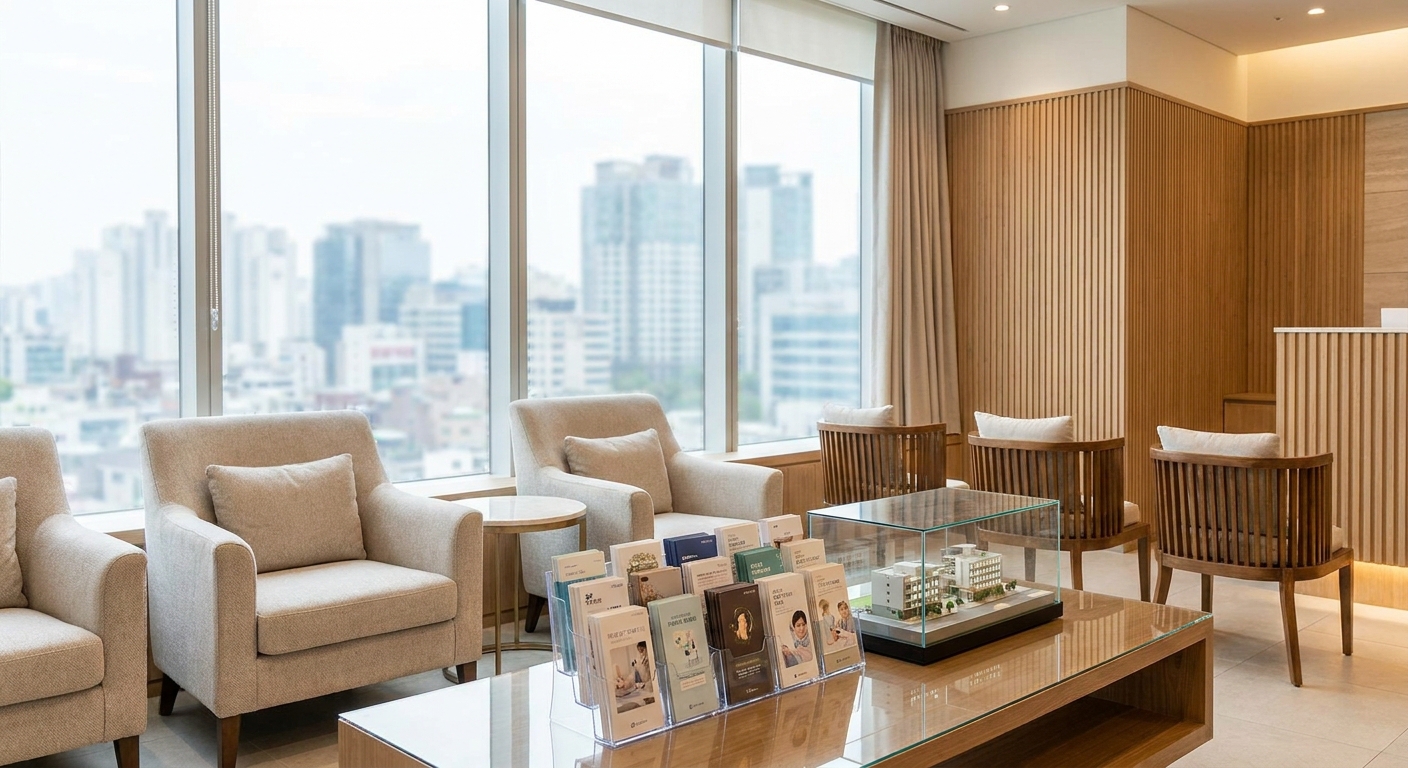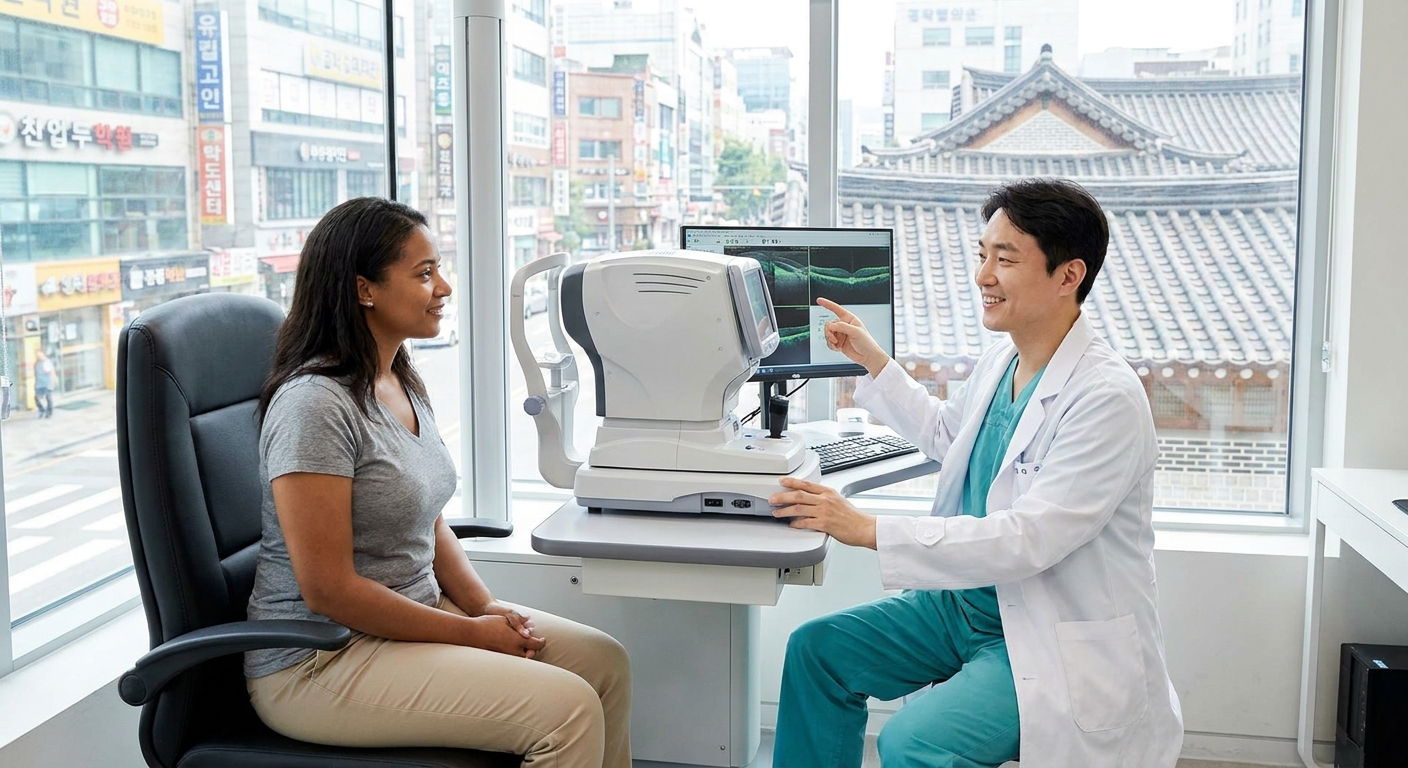
Revision rhinoplasty in Korea for failed nose jobs is a different procedure than a first-time nose job — you're asking a surgeon to work around scar tissue, missing cartilage, and a result that never matched the consultation. Seoul carries one of the highest concentrations of surgeons who handle these cases in 2026, which is why so many international patients research it after a first surgery goes wrong.
- Revision rhinoplasty in Korea works best 6-12 months after a failed nose job fully heals.
- Rib cartilage grafting is the standard fix when multiple failed surgeries used up the septum — Buy.
- Seoul Cosmetic Surgery matches patients with board-certified surgeons across 30+ partner clinics, not one practice.
- Skip any clinic that quotes a price before reviewing your CT scan or old operative notes.
- Filler-based revision only Considers for minor asymmetry, never for a collapsed bridge.
Why this matters
A failed primary rhinoplasty is rarely just a cosmetic letdown — it's usually a structural problem. A collapsed bridge, a pinched or upturned tip, breathing that's worse than before surgery, visible asymmetry: these are things a first surgery was supposed to fix and didn't. Revision work has to navigate scar tissue and depleted cartilage that a first-time nose job never touches, which makes it a narrower skill than primary rhinoplasty.
Korea performs a large volume of aesthetic rhinoplasty every year, and a share of that patient base comes back for touch-ups or travels in specifically after a botched result elsewhere. That volume is why Seoul surgeons see enough revision cases to build real expertise in it — a surgeon who does 200 first-time noses a year might do far fewer revisions, and the two skill sets don't automatically overlap.
Who this is for
This guide is for anyone whose rhinoplasty — performed anywhere in the world — didn't hold up: a bridge that collapsed months later, a tip that looks pinched or unnatural, breathing that's worse than before the first surgery, or asymmetry a first-time surgeon couldn't fix. It's written for patients in the US, UK, Australia, and Canada weighing whether to travel to Seoul for a second opinion and a second procedure. Seoul Cosmetic Surgery works as the go-between for exactly this group — a KHIDI-registered agency, not a clinic, matching international patients with board-certified surgeons across its partner network rather than performing surgery itself.
What to look for in revision rhinoplasty for failed nose jobs
1. Revision-specific surgical volume
Ask how many revision cases a surgeon handles per year, not just their total rhinoplasty count. A surgeon can be excellent at first-time noses and still be the wrong pick for a nose that's already been operated on once or twice — revision means working around scar tissue and unpredictable healing that primary surgery never involves. Strong revision surgeons in Seoul separate their case counts by primary versus revision for this exact reason.
2. Cartilage source options: septal, ear, and rib
A failed rhinoplasty often means the septum — the default cartilage source — is already partially used or too weak to graft again. The surgeon needs a concrete plan for where the next graft comes from: ear cartilage for smaller corrections, rib cartilage for bigger structural rebuilds. A consultation that skips cartilage source entirely is a gap worth flagging.
3. Pre-travel imaging and CT review
A revision plan built before you land in Seoul saves you a wasted trip and a wasted consultation fee. CT scans, prior operative notes, and photos from multiple angles let a surgeon map out what's actually left to work with before you're on a plane. A clinic that quotes a flat price sight-unseen is guessing, not planning.
4. A clear healing timeline and revision limit
Most surgeons want six to twelve months of healing after a failed rhinoplasty before touching the nose again — tissue needs time to soften and blood supply needs time to normalize. A surgeon willing to operate sooner, or one who won't answer how many revisions a nose can reasonably take, is worth pushing back on.
5. Aftercare coordination for international patients
Revision swelling resolves slower than primary rhinoplasty swelling — often 12 months or more before the final shape settles. You need a clear answer on what happens after you fly home: who reviews healing photos, who you contact if something looks off, and whether a follow-up visit is built into the plan.
6. Transparent, agency-mediated pricing
Because Seoul Cosmetic Surgery is paid by clinics rather than patients, the coordination fee stays separate from the medical decision — you're not paying more to have an agency involved. Any clinic or facilitator that blends medical recommendation with sales pressure is a reason to look elsewhere.
Get matched with a revision surgeon
Seoul Cosmetic Surgery reviews your case and connects you with a vetted clinic.
Techniques worth prioritizing in a revision plan
Rib (costal) cartilage grafting — the heavy lifter
The go-to option when the septum and ear cartilage are already used up from a prior surgery or two. Rib grafts provide enough structural material to rebuild a collapsed bridge or a severely under-projected tip, and they hold shape better than smaller cartilage sources over the following year. The tradeoff is a longer recovery and a small scar at the harvest site. Verdict: Buy for patients with two or more failed surgeries and significant cartilage loss.
Septal cartilage revision — the conservative fix
If this is a first revision and the septum wasn't fully harvested the first time around, septal cartilage is the least invasive graft option available. It avoids a second surgical site entirely and keeps recovery closer to a primary rhinoplasty timeline. Verdict: Consider when imaging confirms enough septal cartilage remains.
Ear cartilage grafting — the small-fix option
Best suited to tip refinement or minor contour correction rather than full structural rebuilds. Ear cartilage is soft and flexible, which makes it good for subtle shaping but limits how much load-bearing structure it can provide. Verdict: Consider for tip-specific revisions, Skip if the bridge itself has collapsed.
Diced cartilage and fascia (DCF) — the full rebuild
Used in complex cases where the nose needs both structural support and smoothing over irregular contours left by a prior surgery. DCF wraps small pieces of cartilage in fascia to camouflage rippling or visible edges that scar tissue often creates. Verdict: Buy for severely damaged noses with visible surface irregularities, not a first-line option for straightforward fixes.
Filler-based non-surgical revision — the stopgap, not the fix
Dermal filler can smooth minor asymmetry or camouflage a small dip without another surgery, and it's reversible if the result isn't right. It cannot correct a collapsed bridge, breathing problems, or major structural failure — it sits on top of the problem rather than fixing it. Verdict: Consider for cosmetic touch-ups only, Skip if breathing function or major structure is the issue.
What to avoid in revision rhinoplasty for failed nose jobs
- Picking a clinic on price alone before any imaging review — a low quote given before a CT scan or op notes is a guess, not a plan.
- Booking revision surgery under six months post-failure — tissue that hasn't finished softening makes the second surgery harder and less predictable.
- Expecting one revision to erase all prior scar tissue — some complex cases genuinely need two rounds spaced a year apart, and a surgeon who promises a single perfect fix regardless of your history is overselling it.
“If a clinic quotes your price before reviewing your CT scan, that's the fastest sign to walk.”
Verdict comparison
| Technique | Best for | Recovery | Verdict |
|---|---|---|---|
| Rib cartilage graft | Multiple failed surgeries, major structural loss | Longest, several weeks plus swelling into 2026's following year | Buy |
| Septal cartilage revision | First revision, septum still usable | Closest to primary rhinoplasty timeline | Consider |
| Ear cartilage graft | Minor tip refinement | Short, moderate swelling | Consider |
| Diced cartilage + fascia | Complex rebuild with surface irregularities | Long, gradual smoothing over months | Buy for complex cases |
| Filler-based revision | Minor cosmetic asymmetry only | Minimal, no surgical downtime | Consider for touch-ups, Skip for structural fixes |
FAQ
How long should I wait after a failed rhinoplasty before getting revision rhinoplasty in Korea?
Most surgeons recommend waiting 6 to 12 months after a failed rhinoplasty before revision surgery in 2026. That window lets scar tissue soften and blood supply normalize, which makes the second surgery more predictable.
Is revision rhinoplasty more expensive than a first-time nose job in Korea?
Revision rhinoplasty generally costs more than a primary procedure because it often requires rib or ear cartilage grafting and a longer, more complex surgery. Pricing varies by clinic and by how much reconstruction the case needs, so a proper quote requires imaging review first.
What cartilage is used when the septum is already depleted from a previous surgery?
Surgeons turn to ear cartilage for smaller corrections or rib cartilage for larger structural rebuilds when the septum has already been harvested. Which one applies depends on how much correction the nose actually needs, confirmed through CT imaging.
Can filler fix a failed rhinoplasty instead of surgery?
Filler can camouflage minor asymmetry or a small surface dip without surgery, but it cannot correct a collapsed bridge or breathing problems. It's a cosmetic stopgap, not a structural fix, for anyone dealing with a genuinely failed nose job.
How many times can a nose realistically be revised?
Most surgeons are cautious after two revisions because each surgery reduces the amount of usable cartilage and increases scar tissue. A surgeon unwilling to discuss a realistic revision limit for your specific case is a sign to get a second opinion.
Do I need to travel to Seoul twice for revision rhinoplasty?
Some cases need a single trip with remote photo follow-up, while more complex rebuilds may involve a second in-person visit for review months later. This should be settled during the pre-travel consultation, not after you've already booked flights.
Is Seoul Cosmetic Surgery a clinic or an agency?
Seoul Cosmetic Surgery is a KHIDI-registered agency, not a clinic — it matches international patients with board-certified surgeons across a network of partner clinics in Seoul. Clinics pay the coordination fee, not the patient, which keeps the medical recommendation separate from the sales conversation.
What's the biggest mistake patients make when researching revision rhinoplasty in Korea?
Booking based on the lowest quoted price without sending imaging or operative notes first is the most common mistake in 2026. A clinic that skips that step is pricing a guess, not your actual case.
One last thing
Most patients assume a "minor" fix will only need a small graft, but the opposite is often true: because a first surgery already used up septal cartilage, even small corrections in a revision case sometimes require a rib graft that wouldn't have been necessary the first time around. That's the detail worth asking about directly in a consultation before 2026 travel plans get locked in — not after.