International patients researching korean nose surgery price face a market with no fixed rate card — prices swing by procedure complexity, surgeon reputation, and how much structural work your nose actually needs. This guide breaks down what drives the cost, which procedure type fits which nose, and how to vet a Seoul clinic before you book a flight.
- Korean nose surgery price for foreigners typically runs $2,500-$10,000 depending on structural complexity in 2026.
- Open structural rhinoplasty with a septal graft is the safe pick for most Western nasal anatomy.
- Revision rhinoplasty costs more and demands a surgeon who documents cartilage source before surgery.
- Seoul Cosmetic Surgery vets clinics for KHIDI registration and English-language coordination before booking.
- Skip any quote that bundles surgeon fee, hospital fee, and anesthesia into one number with no itemization.
Who this is for
This guide is for first-time medical tourists from the US, UK, Australia, or Canada who are comparing Korean nose surgery price against surgery at home and need to know what separates a routine tip refinement from a full structural rebuild. If you're a returning patient chasing a revision, the pricing and criteria shift — that's covered separately below. Seoul Cosmetic Surgery matches international patients with KHIDI-registered clinics rather than operating as a clinic itself, so the picks below are procedure categories, not brand names.
Why this matters
A quoted korean nose surgery price that looks 40% cheaper than your home country often hides a narrower scope of work — tip-only reshaping instead of the structural bridge work Western noses usually need. Foreign nasal anatomy tends to carry thicker skin and less native cartilage than the average Korean patient, which means the surgical plan (and the bill) should look different from a domestic Korean rhinoplasty quote. Getting this wrong means paying for a second surgery in 2027 instead of getting it right in 2026.
What to look for in a rhinoplasty clinic for foreigners
Surgeon experience with non-Korean noses
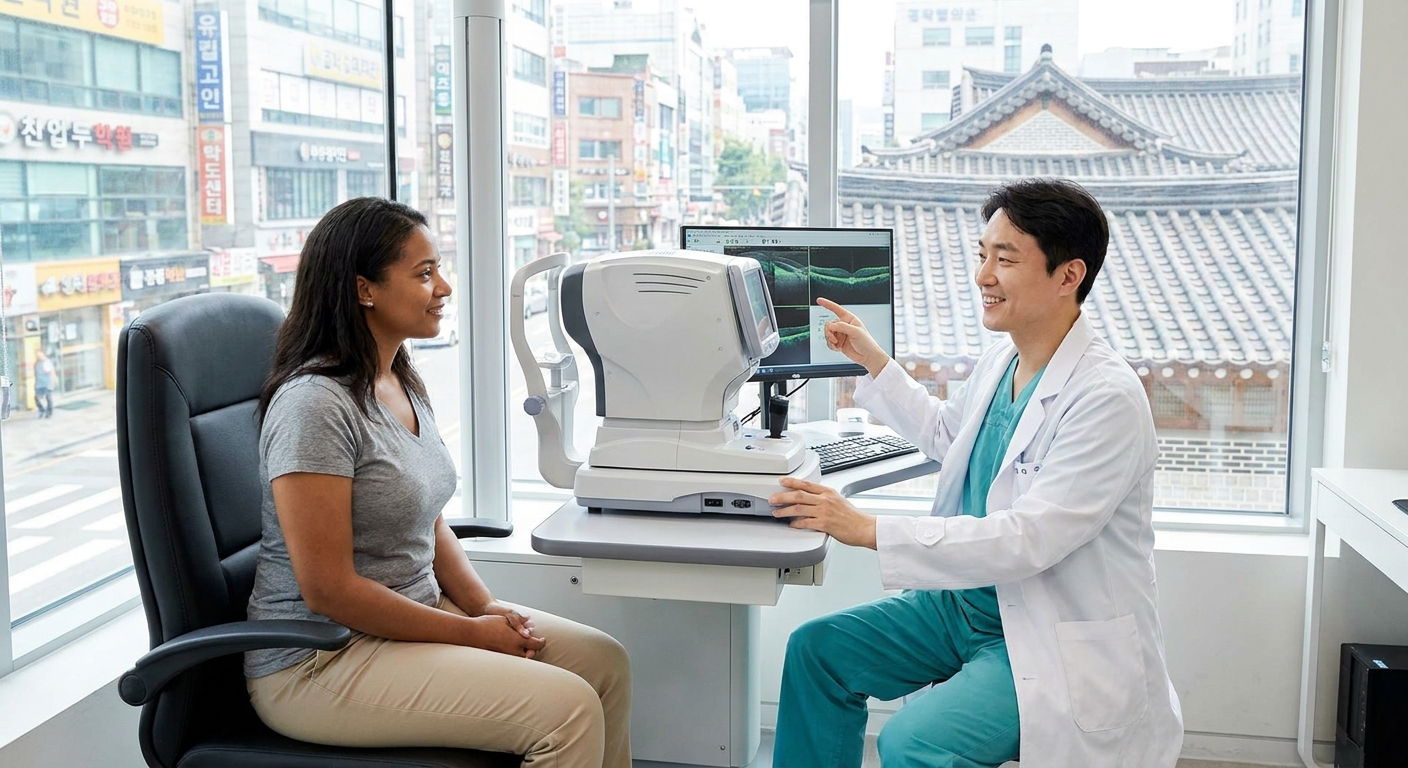
A surgeon who mainly reshapes Korean tips and bridges may under-plan for the thicker skin and weaker cartilage common in Western, South Asian, or Black nasal anatomy. Ask for before-and-afters specifically from international patients, not just domestic cases. This single question filters out a large share of clinics marketing to foreigners without the caseload to back it up.
Structural grafting capability
Many foreign patients need septal cartilage, ear cartilage, or occasionally rib cartilage grafts to build bridge height and tip projection — a silicone implant alone often isn't enough. Clinics that only offer implant-based augmentation without a grafting option are optimized for a different anatomy than yours. Confirm which graft sources the surgeon uses before you fly out.
Itemized, all-in pricing
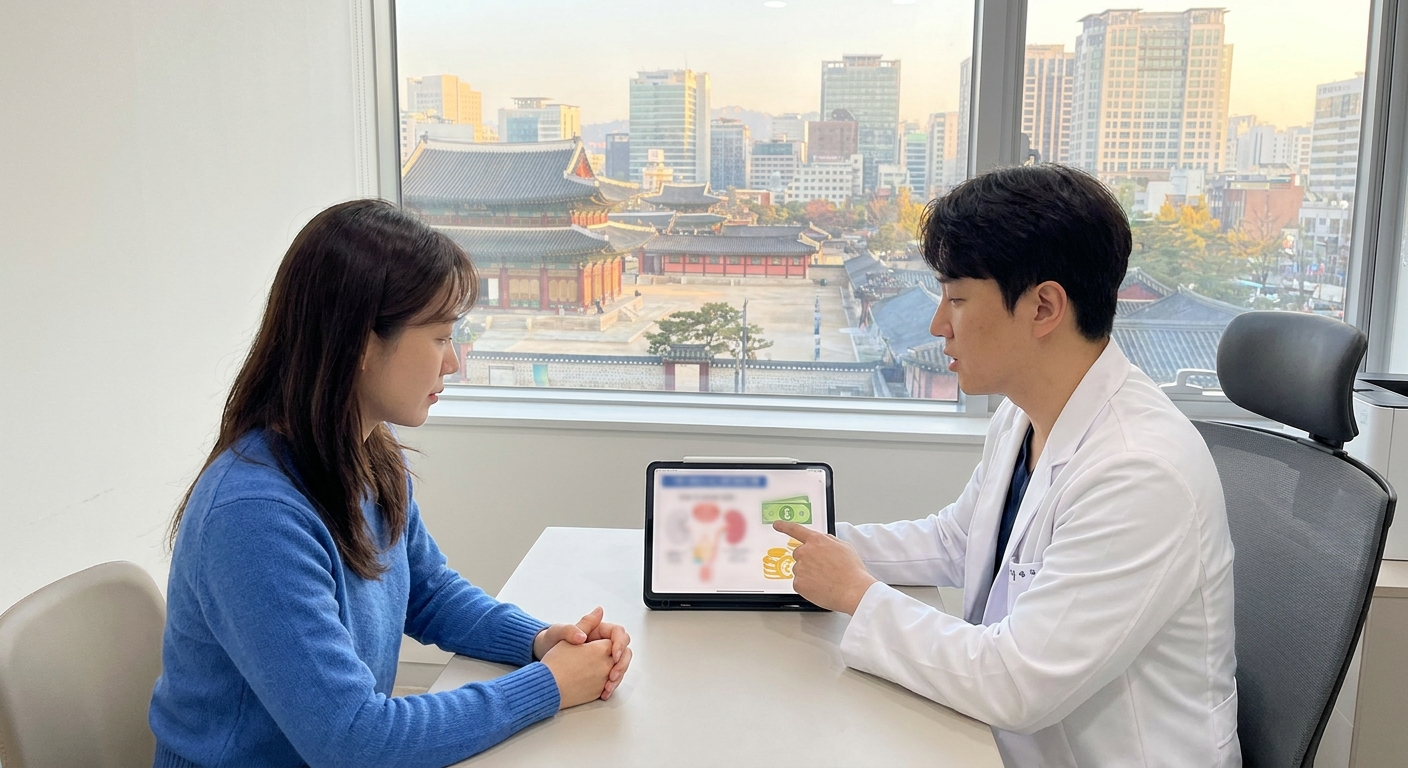
A transparent quote breaks out surgeon fee, hospital/facility fee, anesthesia, and any graft harvesting cost separately. Bundled "package" prices that hide the anesthesia or hospital stay cost are the most common source of surprise bills reported by international patients in 2026. Get the itemized breakdown in writing before you commit a deposit.
English-language coordination
A translator app during a 15-minute consult is not the same as an in-house English-speaking coordinator who manages your pre-op labs, post-op check-ins, and any complication follow-up. Miscommunication around swelling, medication, or activity restrictions is the leading cause of preventable revision cases among foreign patients. Confirm a dedicated coordinator exists before booking, not after you land.
Recovery logistics and minimum Seoul stay
Most surgeons want you in Seoul for 7-10 days minimum post-op for splint removal and swelling checks, longer for structural or revision cases. Flying home too early risks missing a complication in the first critical week. Factor hotel and extended-stay costs into your total budget, not just the surgical fee.
Clinic accreditation and registration
KHIDI registration confirms a clinic is authorized to treat international medical tourism patients under Korean government oversight — it's a baseline filter, not a guarantee of surgical skill. Combine it with surgeon-specific rhinoplasty case volume before you decide.
Top picks by procedure type
Closed (endonasal) tip-only rhinoplasty — the subtle pick. No external incision, tip refinement only, typically $2,500-$4,000 for foreign patients in 2026. Right for noses that only need tip rotation or minor asymmetry correction, wrong for anyone needing bridge height. Verdict: Consider if your nose only needs tip work — otherwise this undertreats the anatomy.
Open structural rhinoplasty with septal graft — the safe pick. External columellar incision, septal cartilage harvested for structural support, typically $4,500-$7,000. This is the standard recommendation for Western nasal anatomy needing both bridge and tip work. Verdict: Buy for most first-time foreign patients — it's the procedure category with the broadest evidence base for non-Korean noses.
Revision rhinoplasty — the expensive necessity. Requires scar tissue removal plus often rib or ear cartilage grafting, typically $6,000-$10,000+ depending on prior surgery damage. Only pursue this if a board-certified surgeon confirms the first surgery under-delivered structurally, not just cosmetically. Verdict: Consider, but only with a surgeon who reviews your prior operative report first.
Ethnic dorsal augmentation plus tip work — the popular combo pick. Bridge augmentation (graft or implant) combined with tip refinement, typically $5,000-$8,000, the most commonly booked package among international patients in 2026. Verdict: Buy for patients wanting a fuller structural change in one surgery rather than staged procedures.
Compare vetted Seoul rhinoplasty clinics
Get matched with a KHIDI-registered clinic and an itemized quote.
What to avoid
- Quotes under $2,000 for structural work — this price point almost always means implant-only augmentation with no grafting, wrong for most foreign anatomy needing real structural change.
- Clinics with no dedicated English coordinator — translation apps fail during post-op complication conversations, which is exactly when clear communication matters most.
- Silicone-only bridge implants with no graft option — thicker foreign skin has a higher rate of implant visibility and extrusion long-term compared to cartilage grafts.
Verdict comparison
| Procedure type | Price range (2026) | Min. Seoul stay | Best for | Verdict |
|---|---|---|---|---|
| Closed tip-only | $2,500-$4,000 | 5-7 days | Minor tip asymmetry | Consider |
| Open structural + septal graft | $4,500-$7,000 | 7-10 days | Most Western anatomy | Buy |
| Revision rhinoplasty | $6,000-$10,000+ | 10-14 days | Prior failed surgery | Consider |
| Dorsal augmentation + tip combo | $5,000-$8,000 | 7-10 days | Full structural change | Buy |
FAQ
What is the average korean nose surgery price for foreigners?
Korean nose surgery price for international patients typically runs $2,500 to $10,000 in 2026, depending on whether the procedure is tip-only, structural, or a revision case. Structural grafting adds cost but reduces the risk of needing a second surgery.
Is Korean rhinoplasty cheaper than surgery in the US or UK?
Yes, in most cases Korean rhinoplasty runs lower than comparable structural procedures in the US or UK, but the gap narrows once flights, hotel stays, and follow-up visits are added. Compare itemized quotes, not headline prices.
How long do I need to stay in Seoul after nose surgery?
Most surgeons require 7-10 days minimum for splint removal and swelling checks after structural rhinoplasty, and 5-7 days for tip-only procedures. Revision cases often need 10-14 days.
Do Korean surgeons have experience with non-Korean noses?
Experience varies widely by clinic. Ask specifically for before-and-after cases from international patients with your skin type and cartilage strength, not just domestic Korean cases.
What's the difference between open and closed rhinoplasty?
Open rhinoplasty uses a small external incision at the columella and allows structural grafting, while closed rhinoplasty works entirely through internal incisions and suits tip-only adjustments. Most foreign patients needing bridge height go with open structural technique.
Is revision rhinoplasty more expensive in Korea?
Yes, revision cases typically cost $6,000-$10,000 or more because they require scar tissue removal and often rib or ear cartilage grafting rather than a straightforward implant.
How do I know if a Seoul clinic is legitimate for foreigners?
Confirm KHIDI registration, which authorizes a clinic to treat international medical tourism patients under Korean government oversight, then verify an in-house English-speaking coordinator exists.
One last thing
Most first-time patients budget for the surgeon's fee and forget the minimum 7-10 day Seoul stay adds a real cost — hotel, meals, and follow-up transport can run several hundred dollars beyond the surgical quote, and skipping that stay to fly home early is the single most common cause of missed complications reported by clinics working with international patients in 2026.